Accept online payments: guide for regulated merchants in 2026
Online payments are not just a checkout topic for regulated merchants. If you sell CBD, supplements, age-restricted products, complex B2B models, or other hard-to-classify assortments, you need more than a quick PSP signup.
The main difference
Standard PSPs optimize for fast self-service activation. Regulated merchants need a robust assessment of the business model, clean documentation, clear product wording, and payment paths that do not fail at the first review.
Payment paths that matter in 2026
A2A and Open-Banking payments are becoming more important because they enable bank-to-bank flows and reduce pure dependency on classic card acceptance. For merchants, that means less reliance on a single card-risk decision and a clearer integration path.
Technical baseline
A robust setup should cover at least these points:
- WooCommerce or API integration
- status and webhook processing
- traceable refund and support processes
- clear terms, imprint, privacy, and product information
- documented compliance evidence per industry
FoxPay approach
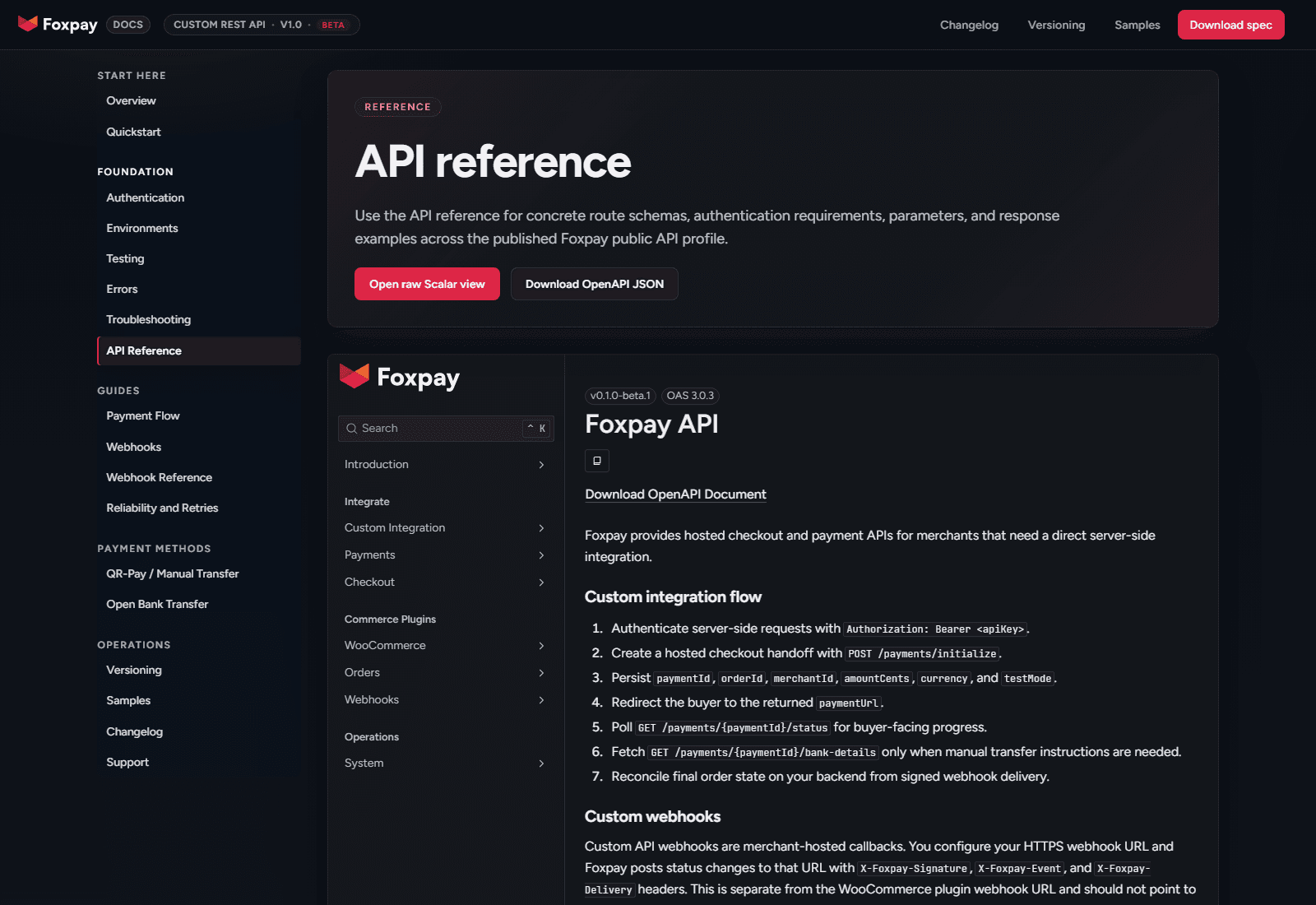
FoxPay combines WooCommerce, REST/OpenAPI, docs changelog, and OrgScan context. That makes the payment integration traceable not only technically, but also from a merchant-fit perspective.
Conclusion
The right payment provider in 2026 is not necessarily the largest PSP. For regulated merchants, the right provider is the one that understands the business model, makes it documentable, and can carry it reliably over time.